
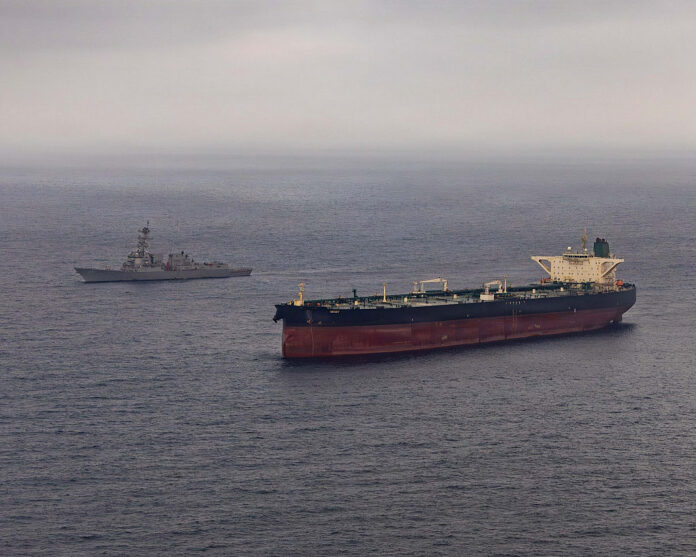
Iran is reportedly gathering 14 oil tankers to challenge a US naval blockade. The surprising part is not the gathering, but the likely result. If these ships try to run the blockade, they will likely end up at the bottom of the sea. President Donald Trump issued a blunt warning about this exact scenario on Sunday.
Reports from Euronews state that vessels have gathered near Kharg Island. This spot handles roughly 85 to 90 percent of Iran’s crude oil exports. Crews are assigned, and flags are raised for a possible move toward the Sea of Oman, according to RedState. The plan aims to get money flowing again despite tight US restrictions. Yet experts doubt the plan can work.
The Bluff Behind the Bravado
Many people think this is a bold military move. It looks more like a dangerous bluff. TankerTrackers, a firm that watches ship movements, called the idea “wishful thinking.” They stated clearly that “That’s definitely not what’s going on.” This firm saw early signs of oil movement but rejected the idea of a full convoy challenge.
Charlie Brown, a senior adviser to United Against Nuclear Iran, agreed. He told Fox News Digital that the plan to deploy 14 vessels is “farcical.” He dismissed the whole operation as “propaganda” rather than a real threat. If the reports are true, the attempt would be like punching oneself in the face to end a fight. There is virtually no chance these tankers break out.
A Direct Challenge to American Power
President Trump did not mince words when asked about the threat. He told Fox News correspondent Trey Yingst that he hopes they try. He said, “I hope they do, they’ll all be at the bottom of the sea like the rest of the navy.” This comment came as fears of a wider conflict rose on Sunday. The blockade was first imposed in April to stop oil money from funding enemies.
American forces are scattered throughout the region to enforce this rule. A few missiles or fighter jets could stop the entire convoy. The Maritime Executive noted that these claims stem from Fars News Agency, which links to Iran’s Revolutionary Guard. They warned that US interference could trigger attacks on energy sites across the Gulf. But the US military is ready to stop, board, or capture any ship that breaks the rules.
The Cost of Breaking the Law
Iranian officials are making loud demands about their exports. Araghchi said, “We are making every effort regarding oil exports and negotiations. The blockade must be broken.” Yet the reality of the situation suggests a high price for failure. US Central Command warned ships that helping Iranian transfers could face force. Ships refusing to turn back could be sunk or seized under the law.
Journalist Mohammad Enayati Najafabadi suggested that disrupting a tanker could cause explosions in nearby countries. He listed the UAE, Saudi Arabia, and others as potential targets. This threat highlights the risk of a wider war. But the immediate danger remains with the tankers themselves. The US has the power to end this gambit instantly. Trump has made it clear he wants to see the result. If Iran tries, the ocean will be their grave.