
A Los Angeles jury has found Meta and YouTube liable in a closely watched case over the impact of their platforms on children, awarding $3 million to a young woman who said her early use of social media contributed to declining mental health.
Jurors spent more than 40 hours deliberating over nine days before deciding that both companies were negligent in how their platforms were designed and operated. They found that this negligence played a substantial role in harming the plaintiff, now 20, who testified that she developed an unhealthy dependence on social media starting in childhood.
The total payout could climb much higher. The jury also found that the companies acted with malice or especially egregious conduct, which opens the door for punitive damages. That phase of the case is still ahead.
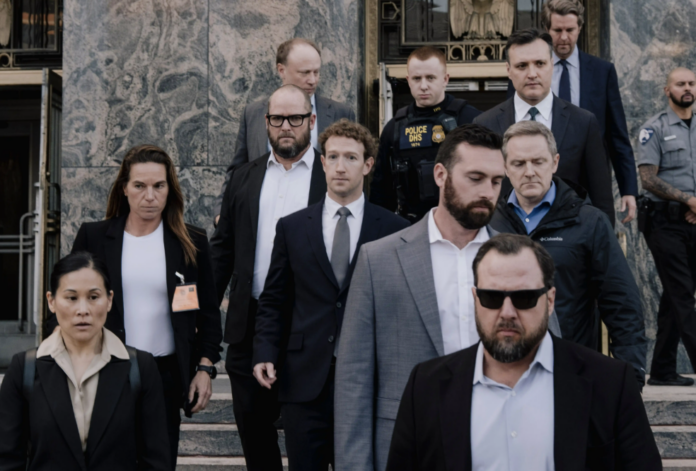
Meta and YouTube were the last defendants left in the lawsuit after TikTok and Snap settled before trial. The plaintiff, identified in court as KGM and referred to as Kaley, testified along with several high-profile tech figures. Mark Zuckerberg and Instagram head Adam Mosseri appeared as witnesses. YouTube CEO Neal Mohan did not.
Kaley said she began using YouTube at age six and Instagram at nine, eventually spending most of her day on social platforms. Her legal team, led by attorney Mark Lanier, argued that key design features were intentionally built to keep young users hooked—things like endless scrolling feeds, autoplay, and constant notifications.
Jurors were instructed not to consider the specific content Kaley saw. That’s because federal law, under Section 230 of the Communications Decency Act, largely shields platforms from liability for user-generated content. The case instead focused on how the platforms themselves were built.
WOW: A jury found Meta and YouTube liable in a landmark lawsuit that aimed to hold social media platforms responsible for harm to children using their services. pic.twitter.com/3VS3uUccmg
— Breitbart News (@BreitbartNews) March 25, 2026
Meta argued throughout the trial that Kaley’s mental health struggles stemmed from factors outside social media, pointing in part to instability at home. The company also noted that none of her therapists blamed social media as the root cause. Legally, though, the plaintiff only needed to show that the platforms were a significant contributing factor, not the sole cause.
YouTube took a different approach, emphasizing how its service differs from traditional social media. Its lawyers argued the platform functions more like television and pointed to data suggesting Kaley’s usage declined as she got older. They also said she spent, on average, about a minute a day watching YouTube Shorts after that feature launched in 2020.
Both companies highlighted the tools they offer users to manage screen time and control what they see.
Kaley’s attorney, Laura Marquez-Garrett, described the case as bigger than a single verdict, saying its real significance lies in forcing internal company documents into public view.
Meta said it plans to appeal. In a statement, a spokesperson said teen mental health is complex and cannot be tied to any one platform, adding that the company will continue to defend its record.
The decision comes just a day after a separate jury in New Mexico ordered Meta to pay $375 million in a case involving child safety and exploitation.