
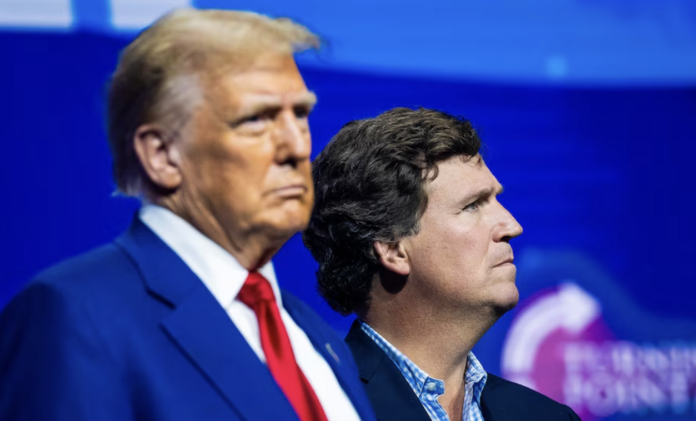
In its Morning Note, the network did not directly engage with Trump’s remarks point by point. Instead, it shifted focus to a broader and highly controversial argument about U.S. foreign policy and Israel’s influence, using that framing to explain what it described as the pressure facing the president.
The newsletter claimed that American media outlets often ignore what it characterized as a history of aggressive tactics by the Israeli government, including alleged efforts to influence U.S. leaders.
It referenced a disputed and widely debated claim involving former President Bill Clinton as an example, presenting it as part of a larger pattern of behavior.
From there, the piece connected those claims to current geopolitical tensions, particularly around Iran, suggesting that ongoing conflicts in the region are shaped by competing national interests and political pressure.
The tone of the newsletter was notably sharp, describing what it portrayed as intense lobbying and influence campaigns aimed at shaping U.S. policy.
🚨The Tucker Carlson newsletter responds to Trump: pic.twitter.com/FjngApEupj
— John Loftus (@JohnCFLoftus1) April 10, 2026
It argued that these pressures could affect decision-making at the highest levels of government, including Trump’s current approach to foreign policy. At the same time, it acknowledged uncertainty about the specific dynamics at play, saying it could not confirm whether similar tactics were being used now.
Rather than escalating the dispute with Trump, the newsletter struck a somewhat restrained note toward the president himself.
It suggested that the criticism directed at Carlson, Megyn Kelly, Candace Owens, and Alex Jones might reflect broader tension or strain rather than a simple political break. The piece framed Trump as operating under significant pressure, hinting that such conditions could influence both rhetoric and policy decisions.
The response comes amid a visible rift between Trump and some figures in conservative media who had previously been aligned with him. His original post singled out multiple commentators, signaling frustration with voices that have, at times, diverged from his positions.
While the newsletter avoided direct insults in return, its approach underscored deeper disagreements over foreign policy and political strategy. By focusing on those issues rather than the personal criticism, the Carlson network appeared to position its response as part of a larger debate rather than a back-and-forth exchange.