
The man who oversaw security for both the 1984 Los Angeles Olympics and the 1996 Atlanta Games is warning that next month’s World Cup could become a target for Iranian-backed sleeper cells, as federal agencies ramp up preparations for the massive international event.
Former LAPD Deputy Chief Bill Rathburn, who directed security during the Atlanta Olympics where a bombing killed two people and injured more than 100 others, said the current global climate makes the tournament especially vulnerable.
“I’m fairly confident there are Iranian sleeper cells or surrogate sleeper cells, and this would be an incredible opportunity for sleeper cells to attack,” Rathburn told The Post.
His warning comes after federal officials reportedly raised concerns about Iranian “prepositioned sleeper assets” operating inside the United States while tensions with Iran escalated. Although the conflict has cooled somewhat following recent US military strikes on Iranian targets, security experts say the threat environment remains elevated heading into one of the world’s largest sporting events.
Chris Swecker, the former FBI assistant director who led security planning for the 2002 Salt Lake City Olympics in the aftermath of Sept. 11, said events like the World Cup naturally attract attention from extremist groups.
“There’s an animation around the sport to begin with,” Swecker said. “You’ve got the presence of foes coming to the World Cup from different parts of the world. It’s not like it can escape the radar of terrorist organizations. It’s right there front and center.”
Swecker said concerns extend beyond organized terror groups and include individuals radicalized online. He specifically mentioned threats linked to Hezbollah, Hamas, Al Qaeda, ISIS, and self-radicalized extremists inspired by those organizations.
Security officials are also concerned about so-called “soft targets” outside the stadiums themselves. Fan festivals, transit hubs, hotels, and crowded public gathering areas could all present vulnerabilities during the 39-day tournament.
“You have to have the best intelligence that you could put in place,” Rathburn said.
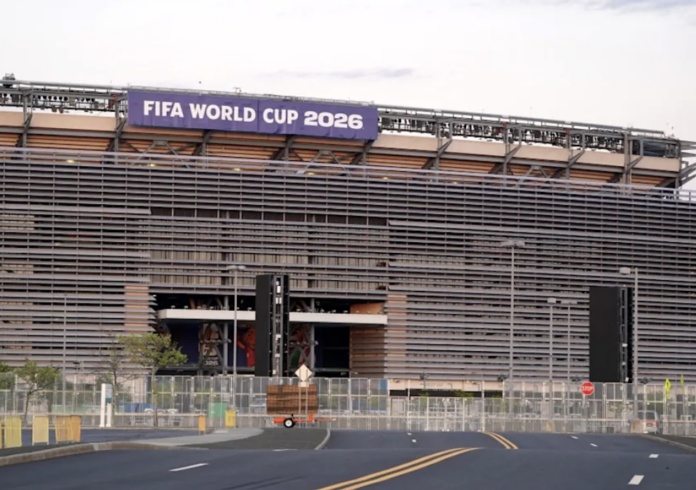
The 2026 World Cup presents unusually complex security challenges. The tournament will feature 48 national teams competing across the United States, Canada, and Mexico. The US alone will host 78 matches, including the final at MetLife Stadium in New Jersey on July 19.
Federal agencies are already pouring resources into preparation efforts. Congress approved $625 million in security funding tied to the event, including support for local law enforcement and fan-zone protection. The FBI has also used hundreds of millions in federal funding to train local agencies on responding to potential drone threats.
Meanwhile, FEMA is coordinating emergency exercises, cybersecurity protections, and background screenings tied to the tournament.
New York and New Jersey officials are also increasing local security measures ahead of the games. Plans include deploying additional counter-drone technology, adding hundreds of police officers to the subway system, and limiting other large-scale summer events so more resources can be focused on World Cup operations.
The concerns reflect how major international sporting events have increasingly become focal points for global security planning. The 1996 Olympic bombing in Atlanta remains one of the starkest reminders of the risks surrounding high-profile gatherings, particularly those attracting worldwide attention.
Despite the warnings, officials insist preparations are already underway to make the tournament as secure as possible.
White House spokesman Davis Ingle described the upcoming World Cup as potentially “one of the greatest and most spectacular events in the history of mankind” and said President Trump is focused on ensuring it is “the safest and most secure in history.”