
As negotiations between the Trump administration and Senate Democrats remain frozen, the Department of Homeland Security has begun activating what it calls “emergency measures” to keep critical operations afloat. For now, the impact on everyday Americans has been limited. But officials are making it clear: that window may not last much longer.
The shutdown, now in its second week, affects only DHS. Still, that single department touches nearly every corner of national security — from airport screening to border enforcement to disaster response. And cracks are beginning to show.
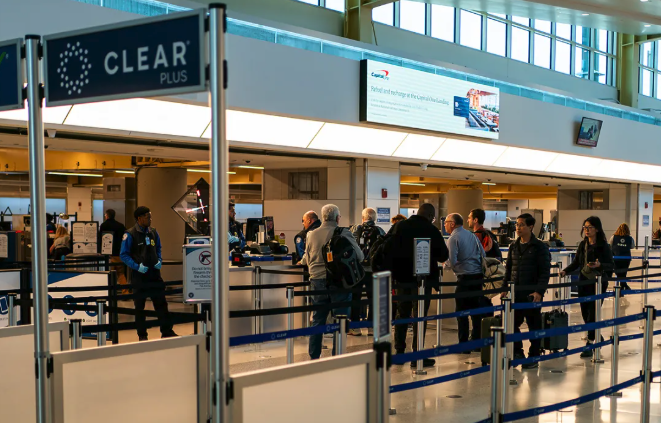
Over the weekend, DHS announced operational adjustments to the Transportation Security Administration that could mean longer airport wait times. TSA PreCheck, used by more than 20 million Americans, will remain operational for now after internal debate. But courtesy escorts for members of Congress? Suspended.
“Shutdowns have real-world consequences,” DHS Secretary Kristi Noem warned in a pointed statement. She emphasized that DHS employees are going without pay and that national security is at risk as the political stalemate drags on. The department, she said, is making “tough but necessary” decisions to limit damage.
Behind the scenes, officials acknowledge that the real breaking point may come if TSA agents — missing paychecks — begin calling out. During last year’s 43-day shutdown, absenteeism spiked, wait times ballooned, and cancellations rippled across the country. Some Republicans believe it may take that level of disruption to force a breakthrough.
DHS shutdown impacts TSA operations as White House pressures Senate Democrats | Fox News https://t.co/STYdBDb2Y5
— Maferegas💞⚔️💎🐊 (@maferegas) February 24, 2026
“Nothing’s going to happen here until flights get shut down,” Sen. Rick Scott, R-Fla., said bluntly. “When TSA workers stop showing up… when the Democrats can’t fly, then they’ll give in.”
Senate Minority Leader Chuck Schumer and Democrats are holding firm, demanding stricter reforms to Immigration and Customs Enforcement following deadly incidents tied to immigration operations in Minnesota. While the White House has signaled willingness to negotiate certain changes, Republicans have drawn clear red lines — particularly against judicial warrant mandates for ICE operations and provisions that would unmask federal agents.
With ICE and parts of immigration enforcement already funded through separate legislation, the broader DHS apparatus is absorbing the brunt of the shutdown.
And the ripple effects are expanding.
Customs and Border Protection has halted Global Entry enrollment at airports, redirecting personnel to help manage traveler processing. FEMA has paused public assistance for ongoing disasters, stopped non-emergency projects, and restricted staff travel strictly to life-saving missions.
For now, airports are functioning. Disaster zones are still receiving emergency aid. Border operations continue.
But the longer the standoff lasts, the narrower the margin becomes.
With neither side blinking and operational strain slowly building, Washington is locked in a high-stakes waiting game — one that could soon move from political theater to real-world disruption for millions of Americans.