
Think lower crime rates are automatically good news for law-abiding residents? In most places, yes. In California’s Bay Area, apparently, the answer is more complicated — at least according to one local news report.
KTVU-TV in San Francisco recently reported that vehicle break-ins are down sharply in Oakland. That is obviously good news for car owners, especially in a city where, not too long ago, some residents were leaving their trunks open just to show thieves there was nothing inside worth stealing.
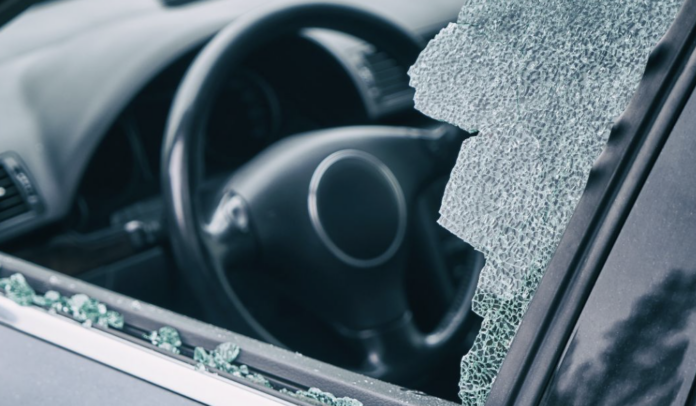
According to KTVU, car break-ins in Oakland have fallen 37 percent year over year. That should be treated as a win. Fewer smashed windows. Fewer police reports. Fewer people walking out to their cars in the morning and finding glass scattered across the seats.
But the report found a downside: auto glass repair shops are losing business.
“What’s good news for car owners is less so for repair shops that specialize in window and windshield replacements,” KTVU reported.
At Low Price Auto Glass on San Leandro Street in East Oakland, owner Raj Singh said one part of his business has taken a noticeable hit.
“There is the door glass repair if there is any break-ins or vandalism — that segment of my business has been down about 30 percent,” Singh said.
Another shop owner, James Serwa, said he has seen a similar decline. He estimated that 35 to 40 percent of his business has disappeared because there are fewer break-ins. He also said he had to lay off three of his seven window installers.
“We’ve taken quite a hit,” Serwa told KTVU.
That is unfortunate for those workers. Nobody should celebrate someone losing a job. But the larger framing here is strange. If a major share of a business depends on rampant crime, then falling crime is not the problem. The crime was the problem.
Oakland residents should not have to suffer break-ins so auto glass shops can stay busy. Drivers should not have to budget for smashed windows as if they are a normal part of city life. The fact that there was once enough vandalism and theft to support that much repair work says more about Oakland’s public safety crisis than it does about the health of the local economy.
Serwa also noted that calls related to catalytic converter thefts have dropped.
“We noticed this trend about a year ago, about the same time the catalytic converters started to die out, so did the calls for break-ins,” he said.
Again, that is good news. Catalytic converter theft was another major headache for Bay Area drivers. The decline in both crimes means fewer victims, fewer insurance claims and fewer residents paying hundreds or thousands of dollars to repair damage they never should have faced in the first place.
To his credit, Singh seemed to understand that. He told KTVU the decline was a surprise, but a good one for the community.
“It’s a surprise, but I would say from a community point of view, it’s a good surprise,” he said.
That is the right way to look at it. A business may have to adjust when crime falls, but a community is better off when fewer people are being victimized.
KTVU, however, closed with this line: “The overall effect underscores a mixed outcome: improved public safety alongside new economic challenges for certain sectors.”
That framing is hard to take seriously. A safer city is not a mixed outcome because fewer people need emergency window repairs. By that logic, every decline in destructive behavior becomes economically suspicious. Fewer house fires would be bad for fire restoration companies. Fewer injuries would hurt emergency room revenue. Fewer burglaries would reduce demand for locksmiths.
That is not prosperity. That is damage control.
French economist Frédéric Bastiat explained this mistake in 1850 with his well-known “Parable of the Broken Window.” In the story, a boy breaks a shopkeeper’s window, and people point out that the repair will create work for the glazier. But Bastiat’s point was that this ignores what the shopkeeper could have done with that money instead. He might have bought shoes, books or something else he actually wanted. The broken window did not create wealth. It forced him to spend money fixing a loss.
The same principle applies here. When someone’s car window is smashed, the repair shop may earn money, but the car owner is poorer. That money could have gone toward groceries, rent, a child’s school supplies, a dinner out or a genuine upgrade to the car. Instead, it goes toward undoing damage caused by crime.
Lower crime is not bad economics. It frees people from paying for losses they never should have suffered.
Oakland’s drop in car break-ins is good news. Full stop. Repair shops may need to rely more on ordinary glass work from road debris, accidents and wear-and-tear, but that is a far healthier business environment than one built around theft and vandalism.
A city should not need broken windows to keep its economy moving. It should be able to function because people can safely live, work, drive and spend their money on things that actually improve their lives.