
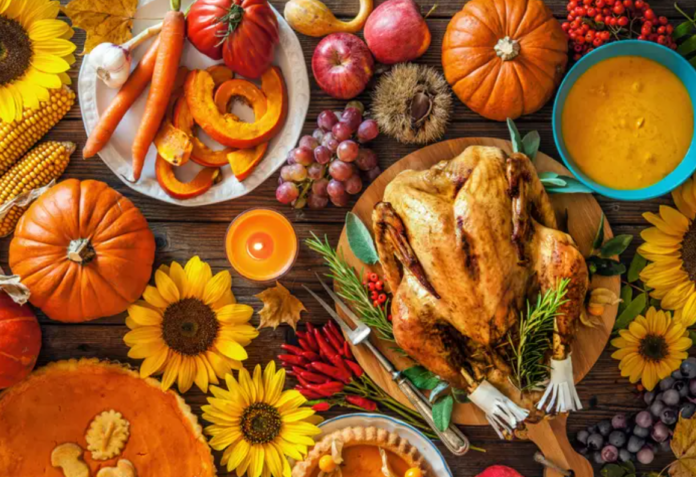
Americans will pay more for their Thanksgiving feast this year. The average cost for ten servings sits at $58.63. That figure represents a rise of more than 6% from last year. The American Farm Bureau Federation released these numbers in their annual survey. Another group found the price jump was even steeper. Groundwork Collaborative and The Century Foundation reported an 11% increase. They used a different list of items to track the costs.
Why do these numbers look so high right now? Farmers are dealing with expensive diesel and fertilizer. Labor costs have gone up too. Rent and electricity bills are also higher. These factors push the price of the turkey itself. The Farm Bureau noted a 10% increase in turkey prices. They cited “increased production costs and a recovering turkey population.” Elizabeth Pancotti from Groundwork Collaborative pointed to a specific driver. She said, “The big issue is the Iran war, which is driving up diesel prices for transporting food, fertilizer prices for growing food, and also for livestock feed.”
Gratitude in a Time of Cost
Despite the higher bill, the meal is still cheaper than it was in 2000. Wages have grown faster than food prices over the last quarter-century. Ricky Volpe, a professor at California Polytechnic State University, noted wages rose 103% since 2000. Food prices at home only climbed 81%. Yet the recent surge from 2021 to 2022 still feels fresh to many shoppers. David Ortega from Michigan State University explained the shift. He said prices eased for three years before rising again this year. That earlier jump is what consumers still feel in their pockets today.
For many families, the holiday is about more than the price tag. It is an act of worship and obedience. The Daily Signal reminds readers that Scripture does not limit thanks to good times. It says, “In every thing give thanks: for this is the will of God in Christ Jesus concerning you.” This call to gratitude runs deep in American history. The Mayflower Compact listed “the Glory of God, and Advancement of the Christian Faith” as a main goal. Edward Winslow wrote that their food came “by the goodness of God.” These early settlers did not think they were independent of heaven.
Keeping Peace at the Table
With costs rising and politics dividing, families face a tough task. Students at Baylor University shared how they handle these conversations. Isaiah Bulman, a graduate student, said people often avoid talking about God at dinner. Others complain about their church or share strange theological views. He suggests treating ministers like normal humans. He advises talking about sports or work instead of deep theology. If a conversation gets tense, he simply asks people about themselves. People love to talk about their own lives.
The goal is to keep the holiday from becoming weird. Students were asked what topics they skip at the family table. Many say politics is off-limits. They pass the turkey and stuffing but skip the debate. This approach helps protect the peace of the gathering. The Daily Signal urges Americans to resist replacing gratitude with grievance. Christians ought to serve their neighbors because of Thanksgiving. It is not just a vibe or a decorated table. It is a time to acknowledge the Giver of every blessing.
Students can share their own stories about these traditions. Christianity Today is asking for responses to a new prompt. They want to know, “What are your family’s Christmas traditions?” Submissions are due by December 16. This column aims to show how faith informs the worldview of young believers. The answers will highlight how students navigate tough topics. They will show how they keep their faith central during the holidays. The focus remains on how the Christian faith shapes their daily lives.