
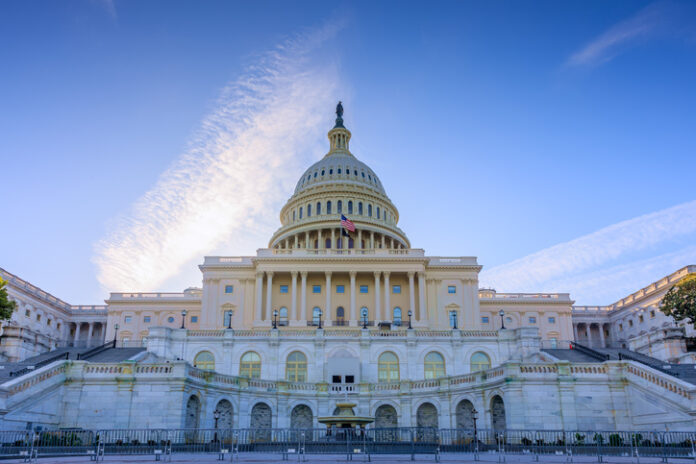
Democrats are set to take control of the U.S. Senate in January after Republicans lost the midterm elections. This shift ends the narrow window for President Trump to confirm new Supreme Court justices before the new Congress convenes.
The court currently holds a 6-3 conservative majority, but that balance faces a long-term test. Justice Clarence Thomas is 78 years old, while Justice Samuel Alito is 76. According to Fox News, Alito confirmed he intends to serve through at least the current term with no retirement plans.
Justices Face a Long Road Ahead
Legal experts warn that the political shift could keep the current justices on the bench much longer than expected. Alex Swoyer, author of “Lawless Lawfare,” told Fox News that the election results create a difficult decision for the court’s oldest conservatives.
Republicans might try to confirm a replacement quickly, but the timeline looks tight. While Senate Republicans confirmed Justice Barrett in one month in 2020, Swoyer doubts the current GOP Senate can match that speed. “While Senate Republicans were able to confirm Justice Barrett in a one month timeframe in 2020, I don’t think this GOP Senate has that same work ethic or ability to push a nominee through ahead of January,” she said.
New Investigations Loom for Advisers
The incoming Democratic majority also plans to launch investigations into the president and his top advisers. After spending four months in prison, Peter Navarro, a first-term Trump adviser, returned to the White House. He now wants prosecutors to prove a witness knew refusing a subpoena was unlawful before bringing criminal charges.
The House Oversight and Government Reform Committee is expected to be chaired by Rep. Robert Garcia. He directed a fresh warning at Stephen Miller, whom President Trump named White House chief of staff.
Navarro’s attorney, Abhishek Kambli, sees these moves as a repeating pattern of legal confrontations. Kambli wrote on social media that history often repeats itself in such cases. The Supreme Court is expected to wrap up its major decisions in late June or early July, leaving little time for new confirmations before the political landscape shifts.