
Millions of Gallons Wasted in Oklahoma
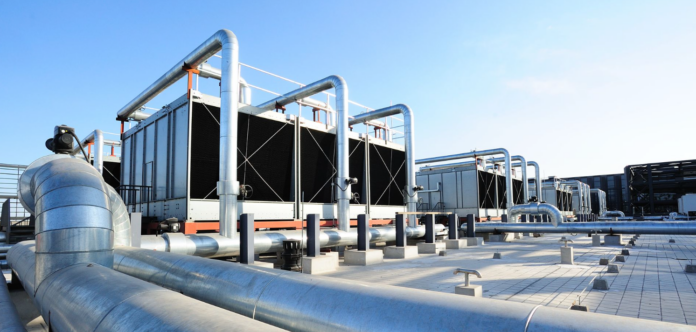
A leak at a Bitcoin mining site in El Reno, Oklahoma, wasted more than three million gallons of water. The city traced the massive loss to a facility owned by Athlon Blockchain Technology. This site used air and water cooling systems for its AI storage and mining operations. The property owner reportedly kept building and operating without a proper certificate of occupancy. City staff condemned the site after finding multiple fire and life-safety code violations alongside the leak. El Reno issued a Stop Work Order for the company back in 2023, according to reports. A hearing on the property was set for late September.
Chris Johnson, president of the American Energy Leadership Institute, told the Daily Caller News Foundation about the scale of the issue. “With data centers, you’re often seeing really large numbers that are hard to put in context,” he said. He noted that this specific amount of water in Oklahoma accounts for only about .002% of the total state usage. That volume equals roughly nine minutes of total water usage for the entire state. Johnson argued that incidents like this call for accountability but warned against an overreaction. Officials in El Reno, including Mayor Steve Jensen and City Manager Matt Sandidge, did not respond to requests for comment.
Bacterial Dispute in Cheyenne
A different problem emerged in Cheyenne, Wyoming, during the construction of a Meta data center. Records released by the Cheyenne Board of Public Utilities show a metal-consuming bacterium was found in the wastewater. The bacterium, known as Cupriavidus gilardii, was reportedly present during the building phase of the facility. This discovery has sparked a dispute over how the project handles water resources. Andy Masley, a writer who covers data center water use, offered a different perspective on the pollution claims. “I think almost everyone’s mistaken in thinking that data centers pollute water,” Masley told the Daily Caller News Foundation.
Masley explained that most stories about water pollution stem from construction runoff. He called this runoff bad but noted it is the normal result of building any large structure. “Every story we have about them polluting water is the result of construction runoff, which is bad but the normal result of building any large building,” he said. The Daily Caller reported that the number of these data center projects has doubled in the last year. Local construction has become increasingly unpopular in some towns despite this rapid growth. Fox News notes that data centers have become essential infrastructure for everyday American life as more of the economy moves online.
What Companies Say About Their Obligations
Meta has addressed its presence in Cheyenne regarding these local concerns. A company statement emphasized their commitment to the community. “Meta is committed to being a good neighbor in Cheyenne, which includes helping protect local water resources,” the company stated. They added that they have been in regular communication with the BOPU throughout the process. “We have been in regular communication with the BOPU throughout this process and take our environmental obligations seriously,” the statement read. These facilities now power everything from banking apps to streaming services for millions of users.
The U.S. currently hosts roughly 4,000 operational facilities, with thousands more planned or under construction. Brittany Kaiser, CEO of Alpha Compute, told Fox News Digital that data centers have existed as long as technology itself. She explained that anytime you use social media or email, that data is being processed in one of these centers. The U.S. is home to these facilities, which are increasingly essential for the economy. The question remains how small towns will manage their water resources as this boom continues. The city of El Reno still has a hearing scheduled for the Athlon property to address the safety violations and the leak.