
The Rate Hike Decision
A quarter-point hike to 3.75%-4% was enacted by the Federal Open Market Committee last week. This move comes after inflation data showed prices rising faster than the central bank’s 2% target. The Fed acted against the explicit wishes of President Donald Trump, who has pushed for lower borrowing costs.
According to the Washington Examiner, consumer prices in August were 3.4% higher than a year earlier. The Bureau of Labor Statistics reported that core inflation rose 2.4% from the same time last year. Food prices climbed 2.7%, while energy prices surged 16.3% over that period.
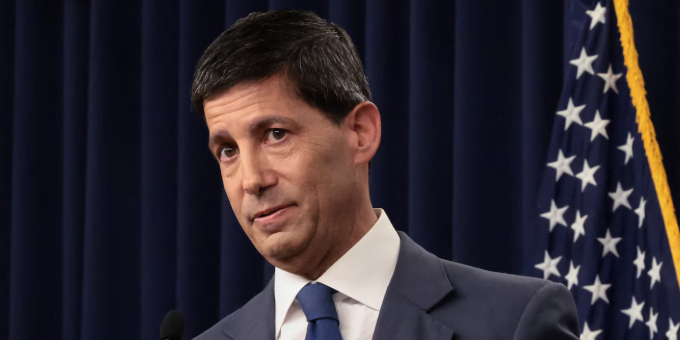
Kevin Warsh, the new Federal Reserve chair, faced this decision just four months into his tenure. He had promised to lead with high ethical standards and resist political pressure. Warsh testified before the Senate banking committee in April that he would not be swayed.
“The president never asked me to predetermine, commit, fix, decide on any interest rate decision in any of our discussions,” Warsh said. This statement confirms he kept his pledge to maintain independence from the White House. The committee vote was unanimous, showing broad agreement among the governors.
Warsh’s New Approach
Warsh has already changed how the Fed operates compared to his predecessor, Jerome Powell. He is not participating in the Summary of Economic Projections that predicts future growth and inflation. Warsh wants governors to do “more thinking, less talking” through fewer public speeches.
Despite these changes, Warsh faces the same sticky inflation problems that plagued Powell. The Fed had kept rates steady in July, but the situation shifted quickly in August. Warsh declined to say whether rates should rise earlier in the summer.
He stated that it was crucial to await more information before taking any action. The job gains and lower unemployment rate initially encouraged the committee to hold off. However, the rising price shocks forced their hand last week.
Jai Kedia, an economist at the Cato Institute, called the timing of the hike “defensible but late.” According to the Washington Examiner, he stated that inflation was far more elevated earlier in the year when the Fed opted for inaction. Kedia noted the committee debated higher rates for months before finally acting.
Accountability and Future Risks
The timing of this rate hike follows a stinging rebuke of the previous leadership’s management style. An inspector general report this week found that the Fed inadequately supervised billions of dollars in headquarters renovations. The report highlighted how top officials avoided accountability for the poor oversight.
“You can’t pin the blame on top officials because they didn’t actually supervise things,” the report stated. This finding contradicts the narrative that Powell was vindicated by the lack of criminal charges. Instead, Warsh announced serious reforms to ensure no more escape hatches exist for supervisors.
Unemployment also ticked up to 4.2 percent from 4.1 percent as more people entered the labor force. The number of unemployed increased by 78,000, reaching 7.1 million total. This rise reflects more people looking for work rather than mass layoffs.
Warsh warned that financing larger deficits will eventually require the Fed to accommodate the debt. As these larger deficits are run, how do we finance them, he asked during his testimony. He added that the central bank will likely have to step in at some point.
The ongoing debate over rates remains complicated by global events and the Iran war. Warsh noted that interest rates are affected by many moving parts in the world economy. “You can always point to something else because the world’s a complicated place with all these moving parts that affect interest rates,” he said.