
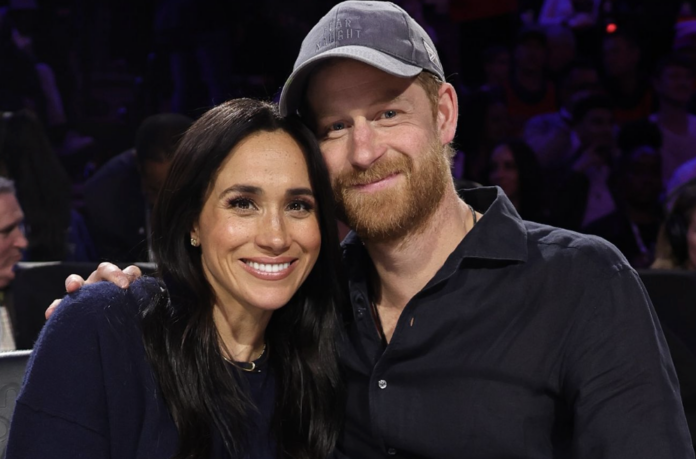
The Duke and Duchess of Sussex are reportedly preparing to leave Los Angeles and return to England, bringing an awkward American chapter to a close. When they arrived in California, the plan seemed fairly obvious: step away from royal duties, build a media empire and become celebrities on their own terms.
That plan has not exactly gone according to script.
Their Spotify partnership ended badly, with executive Bill Simmons famously referring to the couple as “grifters.” Their Netflix relationship has also been scaled back, with Deadline reporting that the deal became a “first look” arrangement. In practical terms, that means Netflix is no longer guaranteeing the couple a steady pipeline of projects. Harry and Meghan can pitch ideas, and Netflix gets an early look. That is a long way from the kind of high-profile production partnership the couple initially enjoyed.
Meghan’s lifestyle series, “With Love, Meghan,” also struggled to find a sizable audience. Its second season reportedly failed to crack Netflix’s top 300 shows of 2025, landing behind old television reruns and inexpensive children’s programming.
But the more interesting story may not be what happened in Hollywood. It is what Harry and Meghan were reportedly trying to do in Washington.
According to the New York Post, Meghan was interested in being appointed to Kamala Harris’ U.S. Senate seat after Harris became vice president. The paper reported that Meghan sought a meeting with California Gov. Gavin Newsom in 2020 and wanted to be considered for the vacancy.
Harry and Meghan deny that account, and Newsom has not publicly confirmed the alleged Senate discussion. What is known is that Newsom and the couple did have an introductory conversation in October 2020. When Harris left the Senate, Newsom ultimately appointed California Secretary of State Alex Padilla.
Still, the report is striking because it fits into a broader pattern of political outreach by the Sussexes after they moved to the United States.
The Post also reported that Harry and Meghan later sought an Oval Office meeting with President Joe Biden and asked about staying at Blair House, the government guest residence generally used for visiting foreign dignitaries. Both requests were reportedly rejected.
Then came another extraordinary request. After Queen Elizabeth II’s funeral, the couple allegedly asked whether they could return to the United States aboard Air Force One with President Biden and first lady Jill Biden. That request was also denied.
If accurate, these episodes suggest Harry and Meghan were not simply interested in commenting on American politics from the sidelines. They appeared to be seeking access to the highest levels of political power.
That would not have been their first venture into American political issues. During the 2020 election campaign, the couple released a video urging Americans to reject “hate speech” and misinformation. Meghan later contacted U.S. senators to advocate for federally mandated paid family leave.
There is nothing inherently unusual about a private citizen advocating for a policy. Celebrities do it constantly. Meghan is also an American citizen. The situation becomes more complicated, however, when a former senior member of the British royal family and his wife appear to be seeking formal political influence while continuing to benefit from their royal titles and international celebrity.
The Constitution contains restrictions involving federal officeholders accepting titles or benefits from foreign states, although how those provisions would apply to Meghan personally would depend on the circumstances. The larger issue is less a constitutional technicality than the sheer oddity of the situation.
Imagine the headline: Sen. Meghan Markle of California.
Even Newsom apparently decided California could live without that particular experiment.
What makes the entire episode especially ironic is the contrast between the couple’s ambitions and their results. They arrived in America with extraordinary name recognition, enormous media deals and access that most aspiring entertainers or political activists could only dream of having. Yet their Spotify agreement collapsed, their Netflix arrangement was reduced, Meghan’s television program struggled for viewers and their reported attempts to gain greater political access went nowhere.
The Sussexes once seemed determined to create a new kind of post-royal institution: part celebrity brand, part media company, part philanthropic organization and, apparently, part political force.
Instead, each part of that project appears to have lost momentum.
If the reports about a return to Britain are accurate, Harry and Meghan may be leaving America with far less influence than they expected when they arrived. Their experiment in Hollywood celebrity did not produce the empire they envisioned, and their apparent flirtation with American political power was even less successful.
For a couple that left the monarchy because they wanted greater independence, they seemed remarkably interested in replacing royal access with another kind of elite access.