
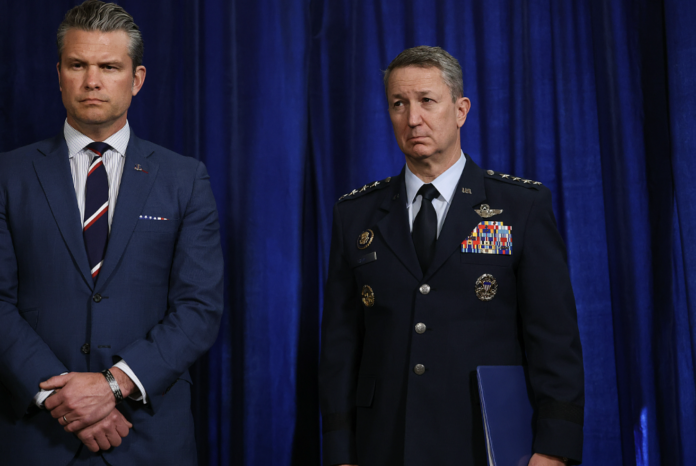
Defense Secretary Pete Hegseth said Tuesday that U.S. service members will no longer be required to receive the annual flu vaccine, marking a shift in military health policy and reopening a broader debate over medical requirements in the armed forces.
In a memo dated Monday, Hegseth told troops that the flu shot will now be voluntary rather than mandatory. He framed the change as part of a wider effort to give service members more control over personal medical decisions, a theme he also emphasized in a series of public remarks.
On social media, Hegseth described the move as restoring “freedom” within the ranks. He sharply criticized policies from the previous administration, arguing that vaccine mandates—particularly during the COVID-19 pandemic—placed unnecessary pressure on troops and limited their ability to make decisions based on personal beliefs or religious convictions.
According to Hegseth, some service members were forced into difficult choices between remaining in uniform and declining certain medical requirements. He said the new approach is meant to remove that tension while maintaining readiness across the force.
“The policy is straightforward,” he said in his remarks. Service members who believe the flu vaccine is beneficial are still encouraged to get it, but the decision will no longer be enforced across the board. He also questioned whether a universal requirement made sense in all circumstances, calling the previous policy overly broad.
The War Department is once again restoring freedom to our Joint Force.
We are discarding the mandatory flu vaccine requirement, effective immediately. pic.twitter.com/9K5W8g0NsD
— Secretary of War Pete Hegseth (@SecWar) April 21, 2026
The announcement builds on changes that had already begun to take shape. In May 2025, a memo from Deputy Defense Secretary Steve Feinberg scaled back requirements for reservists, stating they would only need the flu vaccine if they were on active duty for at least 30 consecutive days. Hegseth’s directive extends that shift to the broader force.
The issue of vaccine mandates has remained sensitive within the military since the COVID-19 pandemic. During that period, thousands of service members were discharged after refusing the COVID-19 vaccine, according to Defense Department figures. That episode continues to influence how current policies are being framed and debated.
Supporters of the change argue it respects individual autonomy and could help rebuild trust among troops who felt alienated by earlier mandates. Critics, however, have raised concerns about potential impacts on force health and readiness, particularly in environments where infectious diseases can spread quickly.
For now, the Pentagon appears to be signaling a different balance between public health measures and personal choice. How that balance holds—and whether it affects vaccination rates or operational readiness—will likely become clearer over time.