
Military Action Returns
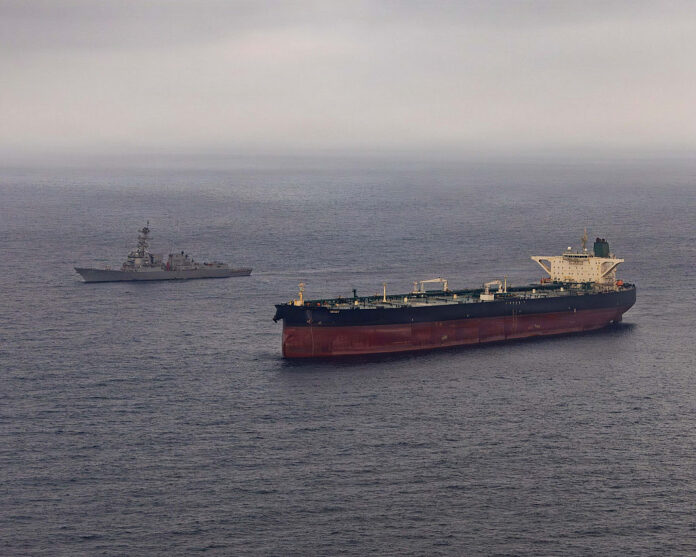
The United States launched strikes at Iran for the first time in over a month. A US official told CNN that military forces hit two launchers on Larak Island after seeing Iranian troops prepare sea mines. These strikes aimed to protect the commercial shipping lane in the Strait of Hormuz. The US Central Command had finished clearing mines throughout the waterway just last week.
Since February, control of this vital waterway has emerged as the primary source of tension between the two nations. President Donald Trump has said the US controls the route all summer, while Iranian officials give different accounts of its safety. U.S. forces are closely monitoring the area and stay ready to safeguard the free flow of commerce through this essential waterway.
These attacks mark a return to military action after the administration shifted focus to economic measures. Iranian missile and drone facilities were last targeted by the US on July 29. This latest move shows that military force remains on the table when threats to shipping appear.
Financial War Escalates
While troops hit targets on the ground, Treasury Secretary Scott Bessent enacted an “economic D-Day.” This plan threatens secondary sanctions on companies and countries that continue doing business with Tehran. Secretary of State Marco Rubio confirmed this strategy to US allies. He said the US would hold off on further strikes “for the time being,” according to reports.
According to the Daily Wire, Bessent’s “Operation Economic Outcast” targets the financial lifelines of the regime. Nearly 60 individuals, companies, and vessels received Treasury sanctions during the initial rollout on August 24. The new process could soon cut off UAE branches of Egypt’s state-owned Banque Misr from the US financial system. Treasury data shows these branches processed about $1.Since 2024, 8 billion has been allocated for 103 suspected Iranian shadow banking fronts.
Iran has spent years building networks of foreign companies and shipping firms to hide oil sales. Sanctioning one shell company allows another to replace it quickly. However, making a bank fear losing access to the American system creates a choice Washington has rarely forced before. This approach targets the institutions that enable Iran to sell oil and move money despite years of sanctions.
Why It Matters
The same weak rules that help Iran also serve Russian evaders, North Korean networks, and criminal cartels. Financial hubs that ignore warning signs rarely do so for just one bad actor. This fight extends far beyond the Middle East to the safety of global trade. If sustained, these actions put real teeth behind US sanctions enforcement.
Iran adds a unique national security layer to this financial problem. Its illicit networks have spent years disguising petrochemical sales and moving proceeds back to the regime. The US now appears ready to target the banks that help them do this. This shift moves beyond just asking countries to buy less oil.