
The World Health Organization says the death rate in the Democratic Republic of the Congo’s latest Ebola outbreak is estimated to be between 30% and 50%, underscoring the seriousness of a health emergency that has already claimed hundreds of lives and raised concerns across central and eastern Africa.
Anaïs Legand, a member of the WHO’s high-threat pathogens team, said the estimate is based on confirmed cases. Speaking to reporters in Geneva, she noted that the mortality rate means as many as five out of every 10 infected people could die from the disease.
Despite the grim statistics, health officials reported a positive development this week. A patient who contracted Ebola was discharged from a treatment center on May 27 after testing negative twice, marking the first confirmed recovery since the outbreak was declared on May 15.
According to the WHO, there have been 10 confirmed Ebola deaths and 223 suspected deaths linked to the outbreak. More than 1,000 confirmed and suspected cases have also been reported. Officials caution that the true scope of the outbreak could be significantly larger because the virus may have been circulating undetected before authorities identified it.
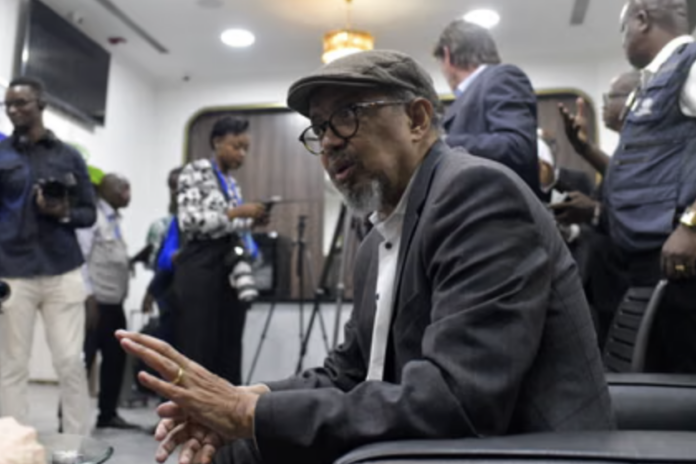
WHO Director-General Tedros Adhanom Ghebreyesus traveled to the DRC this week to support containment efforts. While in Kinshasa, he expressed confidence that the outbreak can be brought under control if health authorities receive sufficient cooperation and resources.
“That thing can be stopped,” Tedros told reporters, while also discouraging countries from imposing broad travel restrictions. He argued that travel bans often do little to contain disease outbreaks and can complicate response efforts.
The outbreak is centered in Ituri province, a region that has been plagued by armed conflict and population displacement for years. Tedros appealed directly to armed groups operating in the area, urging them to allow health workers safe access to affected communities. Ongoing violence, he said, makes disease surveillance, treatment, and public health outreach significantly more difficult.
The DRC has experienced 17 recorded Ebola outbreaks since the virus was first identified in the country in 1976. Historically, Ebola outbreaks have carried an average fatality rate of about 50%, according to WHO data.
The disease begins with symptoms such as fever, fatigue, headaches, muscle pain, and sore throat. In severe cases, patients can develop vomiting, diarrhea, abdominal pain, organ failure, and other life-threatening complications. Ebola spreads through direct contact with the bodily fluids of infected individuals or those who have died from the disease.
Complicating matters further, neighboring Uganda has already reported one Ebola-related death and several additional cases. In response, Ugandan authorities announced the immediate closure of their border with the DRC. The WHO warned that such measures may unintentionally encourage informal border crossings, making it harder to track infections and limit transmission.
There is currently no approved treatment for the Bundibugyo strain responsible for the outbreak. However, WHO advisory groups have recommended clinical trials for vaccines and treatments. African health officials say a vaccine candidate could be available by the end of the year.
Meanwhile, aid organizations are rapidly scaling up their response. The WHO has delivered emergency supplies to the region, while UNICEF plans to send approximately 100 tons of humanitarian aid. The United States has also pledged additional funding to support preparedness and response efforts throughout East Africa.
Health officials say containing the outbreak will require a coordinated international response, improved access to affected communities, and continued investment in medical resources. With Ebola’s history of causing devastating outbreaks across Africa, authorities are racing to prevent the current crisis from expanding further.