
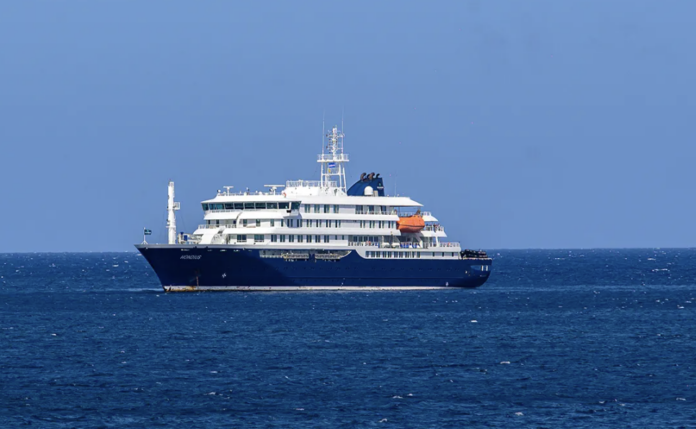
The hantavirus outbreak linked to the MV Hondius cruise ship has taken on a more serious international dimension after Swiss authorities confirmed that a passenger tested positive for the virus after returning home from the voyage. The update, announced Wednesday, has heightened concern across Europe and intensified fears surrounding the cruise ship, which has already been connected to multiple deaths and several serious illnesses.
According to Swiss health officials, the passenger and his wife traveled through South America before boarding the Dutch-flagged expedition cruise ship. After returning to Switzerland last month, the man sought medical testing at a Zurich hospital after Oceanwide Expeditions contacted former passengers about the outbreak. Officials confirmed that he tested positive for hantavirus, though details about his condition have not yet been released.
His wife has not developed symptoms but is isolating as a precaution while authorities continue monitoring the situation. Swiss officials stressed that there is currently “no risk to the Swiss public,” though the case has added to growing unease because hantavirus infections can remain dormant for several weeks before symptoms appear.
The outbreak has already claimed three lives and sickened at least five others, according to the World Health Organization. Investigators believe the likely source is the Andes strain of hantavirus, a rare but especially dangerous version of the disease that can spread from person to person. Most hantavirus infections are typically linked to exposure to rodent droppings, urine, or saliva, making human transmission extremely uncommon.
Health experts say the Andes virus is one of the few known hantavirus strains capable of spreading between close contacts. Who official Maria Van Kerkhove said there is evidence suggesting “some human-to-human transmission among very close contacts,” a statement that has raised alarm among public health officials and governments monitoring the situation.
The outbreak has also created mounting tension over where the MV Hondius should be allowed to dock. The vessel had been stranded near Cape Verde after local authorities denied entry over fears of spreading infection. Three seriously ill passengers were evacuated from the ship and are expected to be transported to the Netherlands for treatment.
Spain later granted the ship permission to dock in the Canary Islands, a decision that sparked backlash from regional leaders. Canary Islands President Fernando Clavijo publicly opposed the move, warning that residents could be placed at unnecessary risk.
“I cannot allow it to enter the Canary Islands,” Clavijo said in comments to local media, arguing that the potential danger to the population remains real despite reassurances from international health agencies.
Spain’s central government defended the decision by citing humanitarian obligations, noting that several Spanish citizens remain aboard the vessel. Under Spanish law, the national government has authority to override regional objections in emergencies involving international maritime issues.
Who Director-General Tedros Adhanom Ghebreyesus attempted to calm fears Wednesday by saying the broader public health threat remains low at this stage. Even so, the combination of multiple deaths, possible human transmission, and an infected passenger traveling back to Europe has transformed the outbreak from a contained cruise ship emergency into a growing international concern.