
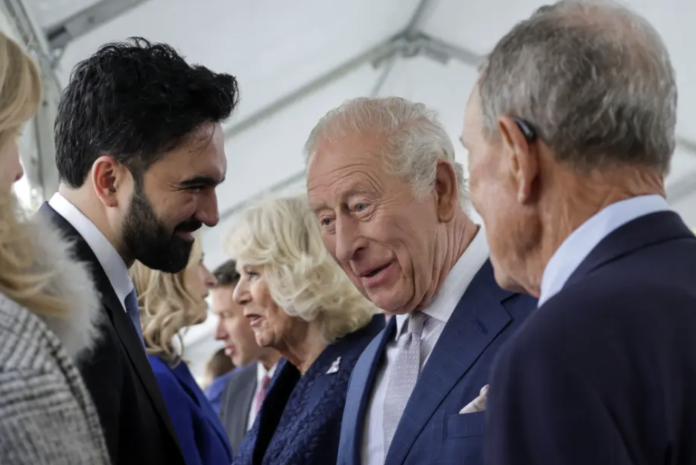
King Charles III and Queen Camilla don’t make frequent trips to the United States, which gave their visit this week a certain weight. Their last trip was nearly 20 years ago. This time, the focus was clear: honoring the victims of the September 11 attacks, just months before the 25th anniversary.
At the 9/11 Memorial in Lower Manhattan, the king and queen met with families and took part in a wreath-laying ceremony. It was a solemn moment, and one with deep ties between the U.S. and the United Kingdom.
Sixty-seven British citizens were killed in the attacks, more than from any country other than the United States. Many had been in New York briefly, some for business meetings at the World Trade Center, including events at Windows on the World, where no one survived.
The visit also follows a pattern. Queen Elizabeth II paid her respects in 2010 at a garden dedicated to British victims. Prince William and Kate visited the memorial in 2014. These gestures, while symbolic, have become part of a broader tradition underscoring the close relationship between the two countries.
But the visit also drew attention for a different reason: the response from New York City Mayor Zohran Mamdani. As host, his role might have seemed straightforward—acknowledge the significance of the visit and participate in the ceremony. Instead, his approach raised eyebrows.
🚨 THE ROYALS TAKE NYC — AND IT GOT WILD FAST 👀👑
King Charles fed CHICKENS in Harlem… but MAMDANI wants the KING to return his JEWELS 🤔
ALSO AN INSIDE SCOOP ON THE STATE DINNER… LISTEN 🔥 pic.twitter.com/9rcSAbY7Yq
— Jesse Watters (@JesseBWatters) April 30, 2026
In official scheduling materials, the mayor’s office listed the wreath-laying without mentioning the royal visit as its purpose. When asked ahead of time about the king’s presence, Mamdani kept his remarks narrowly focused on honoring the victims, avoiding any direct acknowledgment of Charles or the broader context of the visit.
Then came a comment that stood out. When pressed on what he might say to the king, Mamdani pivoted to a reference to the Koh-i-Noor diamond, suggesting it should be returned. The remark, tied to longstanding debates over colonial-era artifacts, struck some observers as out of place given the setting and purpose of the event.
To critics, the issue wasn’t just what he said, but when and how he said it. The ceremony was centered on remembrance, not geopolitical grievances. Even a brief acknowledgment of the shared loss between the U.S. and the U.K. would have aligned with the tone of the occasion.
Mamdani did ultimately greet the king at the memorial, though the interaction appeared brief. Former Mayor Michael Bloomberg was also present and spent more time walking the grounds with Charles, offering a contrast in style and engagement.
Moments like this tend to carry symbolic weight, especially in a city like New York, where global relationships often play out on a local stage. For some, the mayor’s handling of the visit felt like a missed opportunity to reflect that reality.