
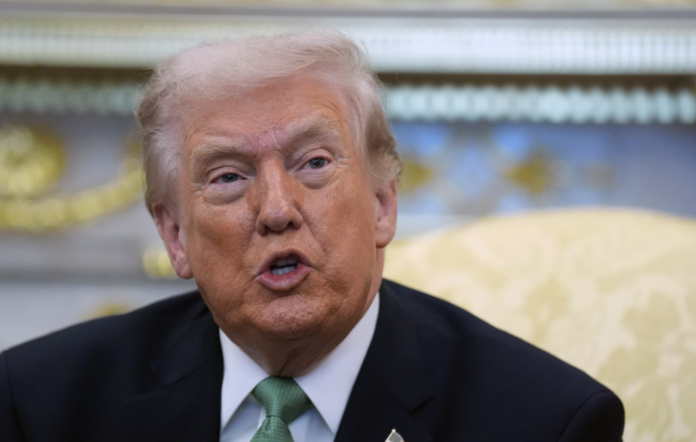
Democrats are already looking ahead to the possibility of taking back the House in the midterms. You might expect that to come with a long list of policy priorities or legislative goals. Instead, much of the early chatter is about impeachment—again.
According to reporting from Axios, some House Democrats have been talking through ways to lay the groundwork now, well before any election results are in. That includes holding what they’re calling “shadow hearings” and organizing their approach so they’re ready to act quickly if they regain power.
Inside the House Dem push to impeach Trump on Day 1 https://t.co/sNaMOByNfw
— Benjamin Domenech (@bdomenech) April 24, 2026
Rep. Delia Ramirez of Illinois didn’t exactly downplay the idea. She’s been urging party leadership to get organized and think strategically about how to move forward. In her view, that means building a detailed case in advance—doing the research, holding preliminary hearings, and preparing the steps needed to pursue impeachment if the opportunity arises.
Others are on a similar page. Rep. Yassamin Ansari of Arizona suggested that if Republicans lose control of the House, pressure from within the party to move on impeachment would be hard to ignore. Rep. Shri Thanedar of Michigan went a step further, saying he believes there’s already a strong case and that work should begin now.
Still, not everyone sounds convinced it would actually go anywhere. One Democrat quoted in the same report acknowledged the obvious political math: even if impeachment passed in the House, conviction in the Senate would be a long shot. That reality raises questions about what the effort would ultimately accomplish beyond making a statement.
BREAKING: Are Democrats planning impeachment on Day One if they retake the House? @ScottJenningsKY breaks down the new Axios report.
Plus much more from today’s opening segment: pic.twitter.com/v6bR2YoXgU
— Scott Jennings Show (@JenningsShow) April 24, 2026
Critics of the idea argue that this kind of focus risks crowding out other priorities. They see it as more about political theater than governance, especially given the low likelihood of a final conviction. From that perspective, time spent preparing for impeachment is time not spent on issues like costs, taxes, border policy, or crime—areas voters often rank as more immediate concerns.
Supporters, on the other hand, would likely say that oversight and accountability are part of Congress’s job, regardless of the odds in the Senate. But even within Democratic circles, there seems to be some recognition that impeachment is more symbolic than practical in this case.
What’s notable is how early these conversations are happening. There’s no attempt to keep the idea on the back burner or wait for election results. The planning is already underway, at least among some members.